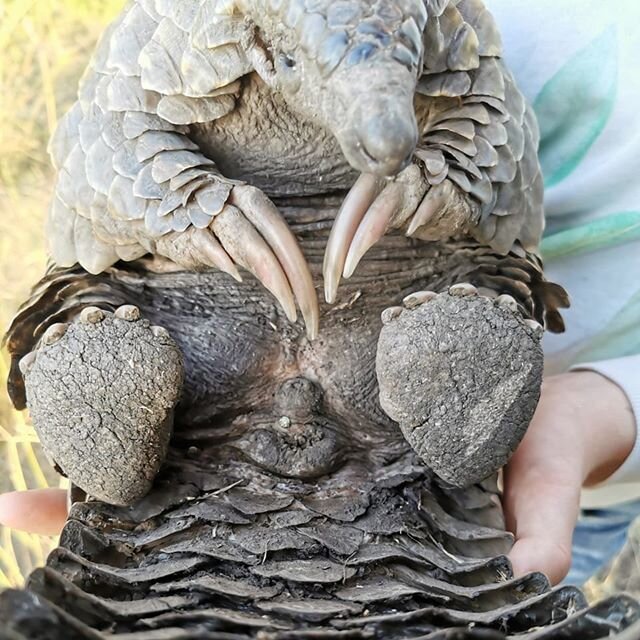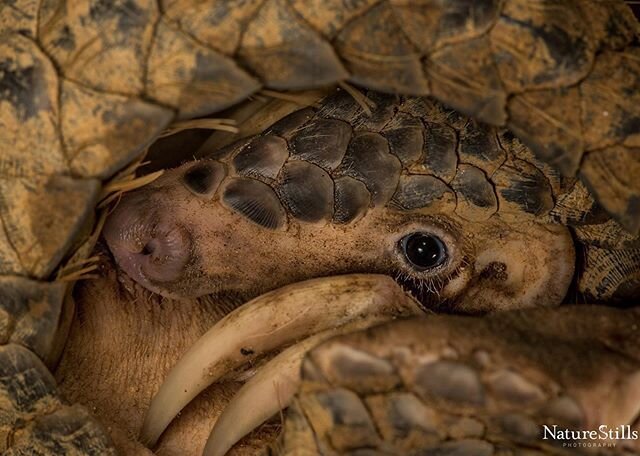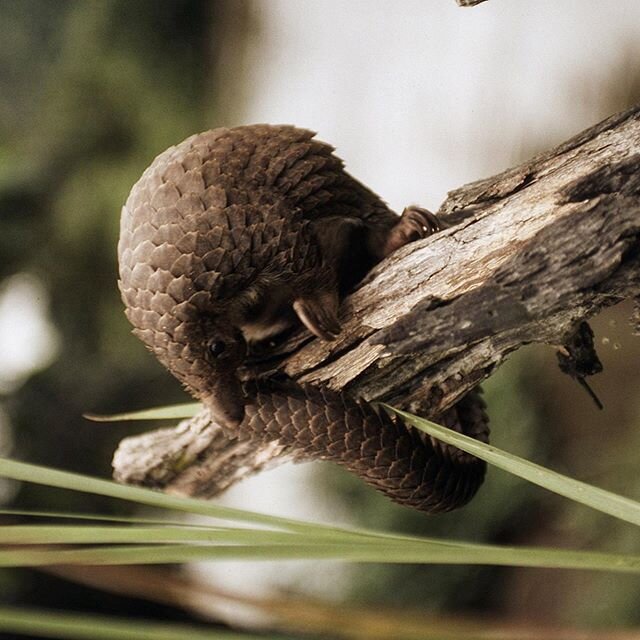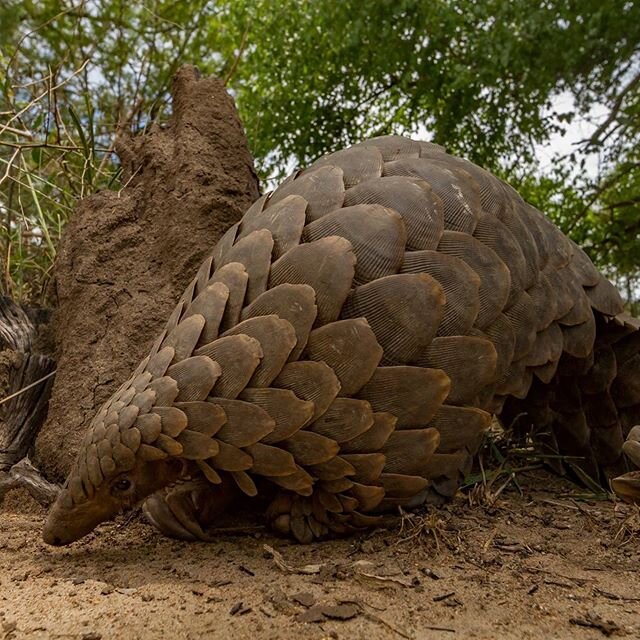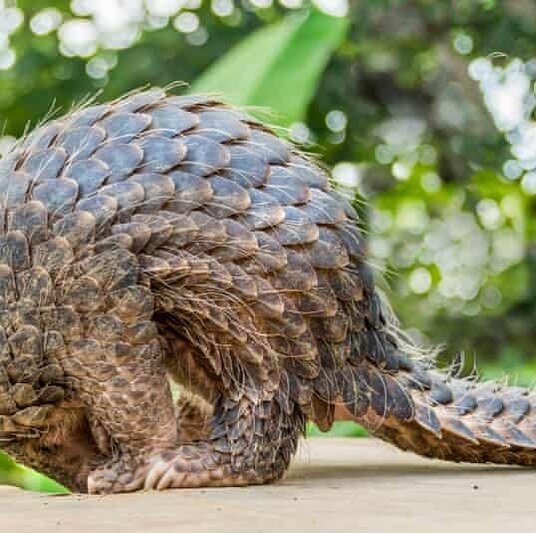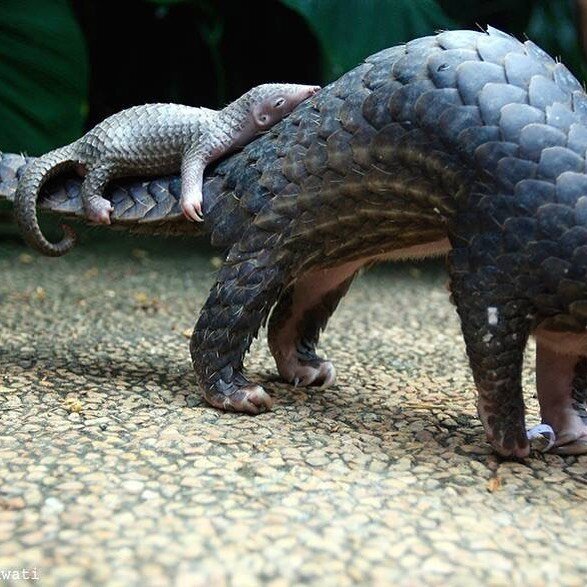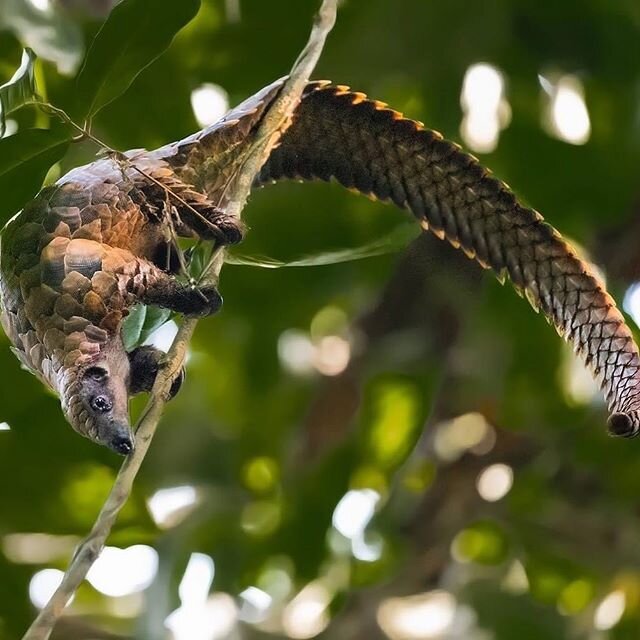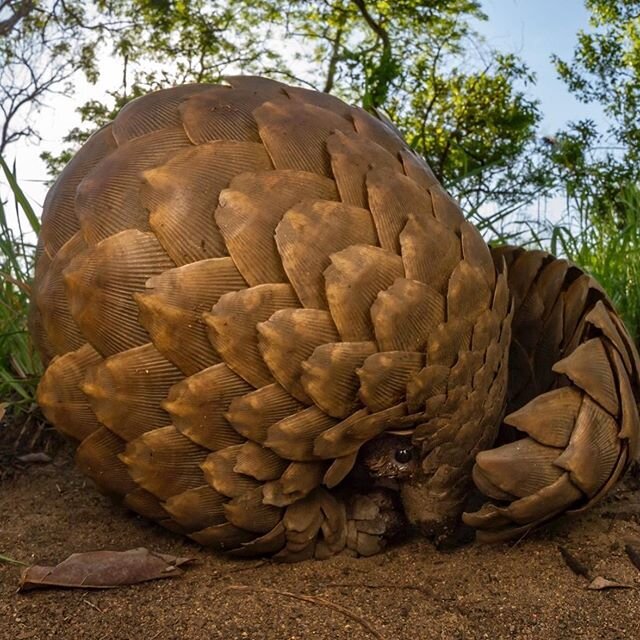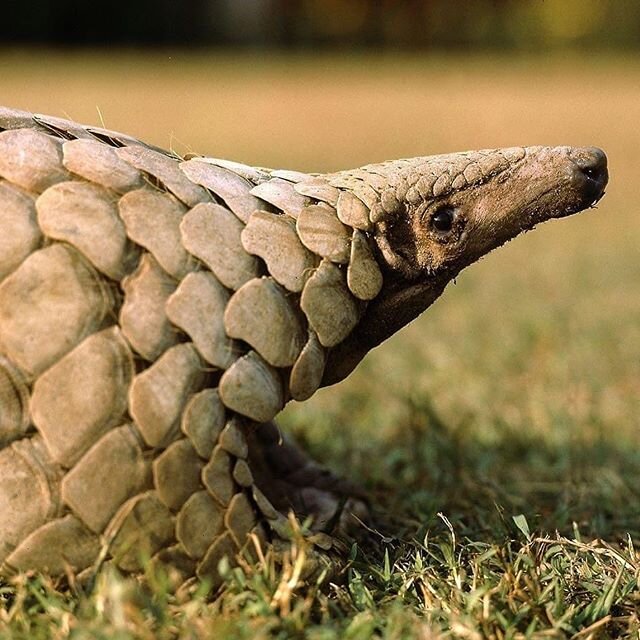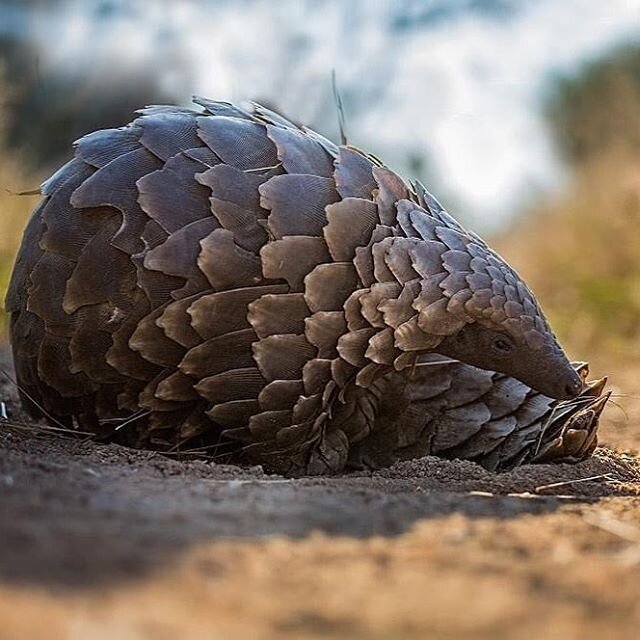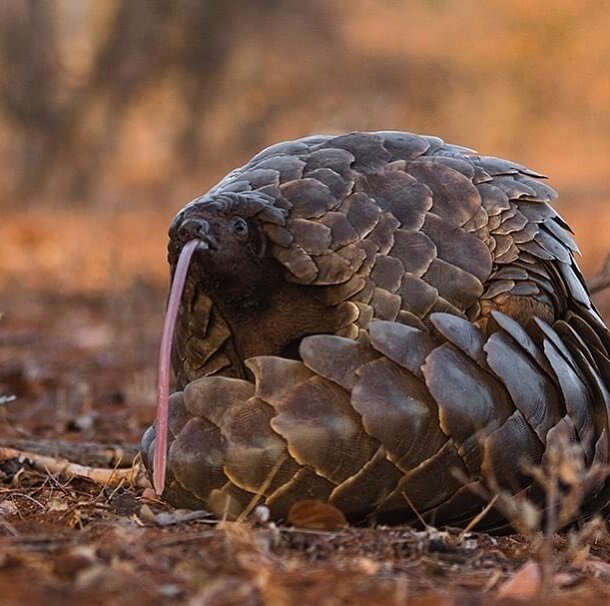
The illegal trade in Asian pangolins and the destruction of their habitat has made these remarkable scaled animals one of the most endangered mammal groups in the world. Although African pangolins face their own set of threats, this section addresses the conservation programs for Asian species.
Three species of Asian pangolins are listed under Appendix II of the Convention on the International Trade in Endangered Species of Wild Fauna and Flora (CITES): the Malayan or Sunda pangolin (Manis javanica), the Indian pangolin (Manis crassicaudata), and the Chinese or Formosan pangolin (Manis pentadactyla). As an additional protective measure, the CITES authority passed a zero export quota in 2000, which bans all commercial trade in these species.
All four Asian pangolins are listed by the International Union for Conservation of Nature (IUCN):
Asian pangolins are also protected in their range states by domestic wildlife laws.
Despite these legal protections, pangolins are among the most numerous illegally traded animals in Southeast Asia.
Pangolins are difficult to maintain without expert care and thus rarely survive in captivity. It is crucial that conservation efforts focus on the areas where pangolins are being hunted to stop their removal from the wild. Several organizations are working with governments, wildlife authorities, and local communities to address pangolin conservation in several key areas.
Training Rangers and Wildlife Authorities
Enforcement efforts must be ramped up to deliver a real deterrent to the illegal pangolin trade. This means increasing the capacity of rangers and wildlife authorities in the areas where pangolins are being hunted by providing them with tools and resources to crack down on the trade.
Currently, Conservation International–Cambodia is gathering information about Asian pangolin biology and the illegal trade. It is training park rangers to identify pangolin hunters and traders, and is designing ways to crack down on illegal wildlife trade in the Cardamom Mountains.
Improving the Biological Knowledge Base
Pangolins are secretive, solitary, and nocturnal, and many mysteries remain about their natural history and behavior. For example, there are no detailed studies on the population levels, ecology, or life history of the Sunda pangolin, Manis javanica. Meanwhile, little is known about the current distribution and range of the various other pangolin species.
Several biologists are working to expand our knowledge of pangolins. For example, Norman Lim of the National University of Singapore is investigating the habitat requirements of the Malayan pangolin via radio telemetry, standardized census techniques and observation of tagged individuals in the field. For more on Norman's work, click here.
A paper has recently been published in the journal Endangered Species Research. "Pangolins in peril: using local hunters’ knowledge to conserve elusive species in Vietnam" is available for free online:
http://www.int-res.com/abstracts/esr/v6/n1/
CI Cambodia is participating in a project led by the National Cancer Institute at the U.S. National Institutes of Health to build a database of DNA samples from various pangolin species across Asia. Because the vast majority of pangolins die in captivity, rapid repatriation of seized animals to their original habitat represents their best hope for survival, and accurate determination of their origin makes this possible.
Education Initiatives
The major obstacles to combating the underground wildlife trade of Asian pangolins include a lack of awareness of the problem, lack of resources and capacity to implement conservation programs, and low prioritization by governments and local communities to take action. Communities and local officials need to be fully aware of the benefits of pangolin conservation so that they can become involved in conservation action.
Harapan Rainforest in Sumatra is aiding the conservation of pangolins through a wider programme of site protection and broad biodiversity surveys, while developing programs with a strong focus on raising community awareness. Harapan Rainforest will be modifying materials developed by the Pangolin Conservation Support Initiative and Conservation International-Cambodia for the 2008 Cambodia Pangolin Conservation Workshop to raise awareness of pangolin conservation within Sumatra. Harapan Rainforest is internationally recognized as a center of excellence for the cost-effective restoration and sustainable management of tropical dry lowland rainforest. Protection and management of the area is shared by local communities, government and NGOs working together to ensure that the forest continues to support a wide range of unique plants and animals, provides a range of essential environmental services and enhanced livelihoods for present and future generations. The forest also provides facilities for nature-based tourism and high quality training and research.
Rescue and Rehabilitation Centers
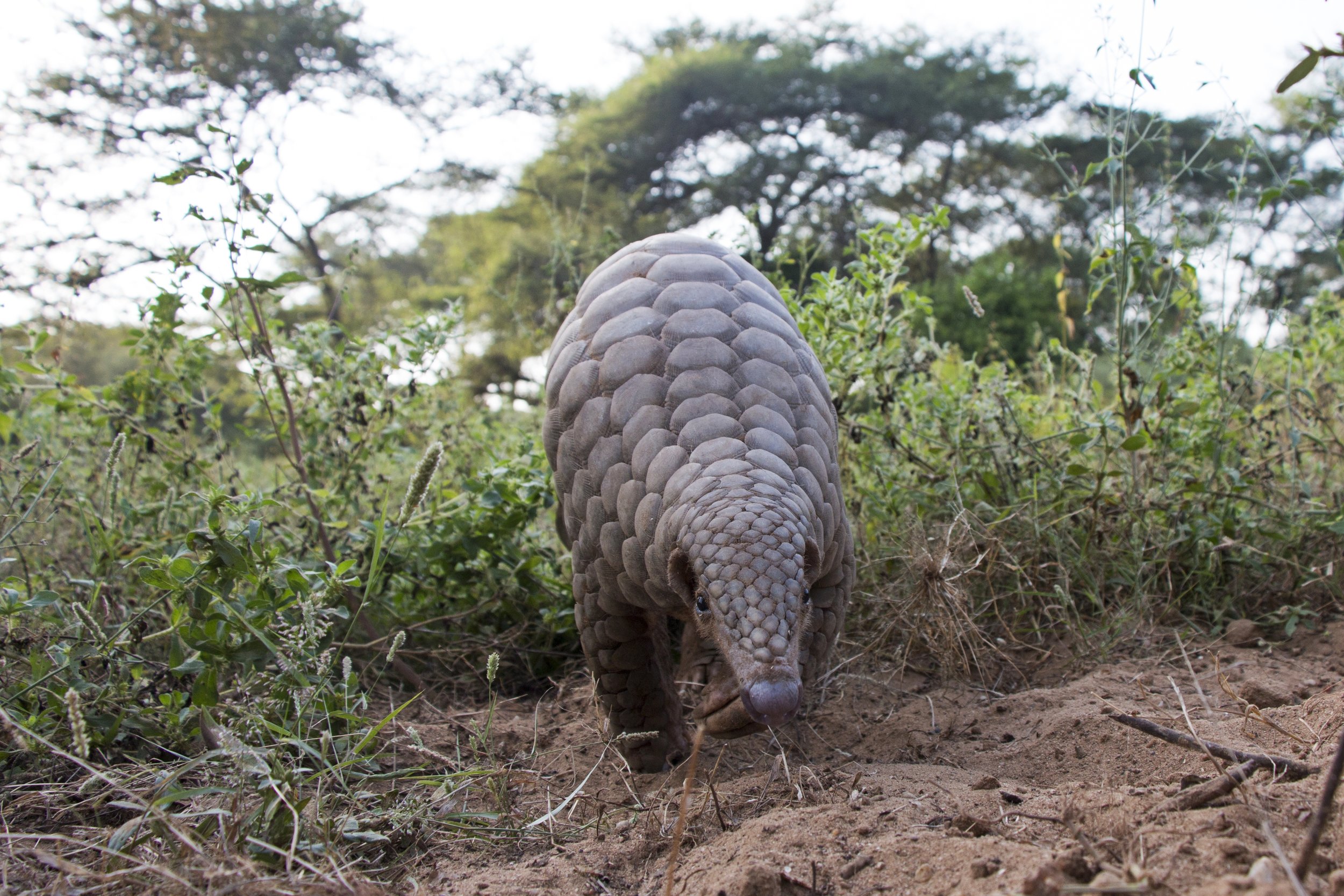
Pangolins are difficult to maintain in captivity, and most die within a short period after capture. Most pangolin range states lack the capacity and infrastructure to care for injured pangolins that are seized from the illegal wildlife trade, and techniques to care for injured and stressed pangolins confiscated from the black market are still being developed. Conservation efforts must emphasize stopping the removal of pangolins from the wild, but wildlife authorities are constantly seizing live pangolins from illegal traders, so it’s key to develop ways pangolins can be treated and rehabilitated in captivity so that they can be returned to their native habitats.
The Carnivore and Pangolin Conservation Program (CPCP), located in the Cuc Phuong National Park of Ninh Binh Province, Vietnam, is pioneering husbandry techniques for rescuing and caring for injured and stressed live pangolins seized from the illegal wildlife trade.
The Angkor Centre for Conservation of Biodiversity (ACCB) has a pangolin program that has been running since 2004 when they built a special pangolin holding and breeding facility. They have the longest living Sunda pangolin ever to be hand-reared in captivity. ACCB also runs an environmental education program and conducts studies on wildlife use.
Partnerships for Conservation
Singapore Workshop on Trade and Conservation of Pangolins Native to South and Southeast Asia
The Workshop on Trade and Conservation of Pangolins native to South and Southeast Asia was held between the 30th of June and the 2nd of July 2008, at the Singapore Zoo. The workshop was jointly organized by the Singapore Zoo and TRAFFIC Southeast Asia, with financial support from Wildlife Reserves Singapore. It gathered 75 participants from 15 countries representing CITES Management and Scientific Authorities, Police, universities, research institutes, international organizations, zoos, rescue centres and donors. The countries represented were: Brunei Darussalam,
Cambodia, China, Hong Kong, Indonesia, Lao PDR, Malaysia, Myanmar, Philippines, Singapore, Taiwan, Thailand, United Kingdom, USA and Viet Nam. The key objective of this Workshop was to gather a ‘steering group’ of government departments, non-government organizations (NGOs) and research institutions in Southeast Asia to raise awareness of the magnitude of the pangolin trade and discuss how to combat the illegal trade. The outputs included a list of recommendations and follow-up actions to be circulated among relevant organizations, which would assist enforcement agencies in prioritizing and focusing their efforts to halt this illegal trade.
The full report, Proceedings of the workshop on trade and conservation of pangolins native to South and Southeast Asia can be downloaded at http://www.traffic.org/species-reports/traffic_species_mammals51.pdf.
Watch the associated video "Pangolins in Peril" from TRAFFIC SE Asia.
Pangolin Conservation Support Initiative
The Pangolin Conservation Support Initiative (PCSI) seeks to directly support the efforts of the key stakeholders involved in pangolin conservation throughout Southeast Asia. Our overarching goal is to raise awareness of an illegal trade that is largely still under investigation, and for which initiatives to address the issue are still in their infancy.
In November 2008 we sponsored the Pangolin Conservation Stakeholders Workshop in partnership with Conservation International in the Cardamom mountains region, one of the last known strongholds of the Malayan or Sunda pangolin (Manis javanica) in Cambodia. By assembling the conservation partners and law enforcement agents tasked with conserving pangolins, PCSI and CI developed targeted pangolin conservation activities, thus providing the needed awareness, education, and networking necessary to advance integrated pangolin conservation efforts in both Cambodia and at a regional level. Visit the Workshop page to view photos and download resources from the workshop.
PCSI’s efforts also include outreach and education materials development: through the development of SavePangolins.org, a species fact sheet for the Malayan or Sunda pangolin (Manis javanica), a coloring page for children, and a poster campaign targeted to the Cardamom mountain region of Cambodia, we seek to stimulate awareness at local and global levels of this little known group of animals.
Are you involved with a conservation program that should be listed? Let us know by contacting us.
Photo credit: A Malayan pangolin is seen out of its cage after being confiscated by the Department of Wildlife and Natural Parks in Kuala Lumpur in 2002. Photo by AFP/File/Jimin Lai.